
Volunteer and internships
Volunteer or intern in the Bolivian Amazon
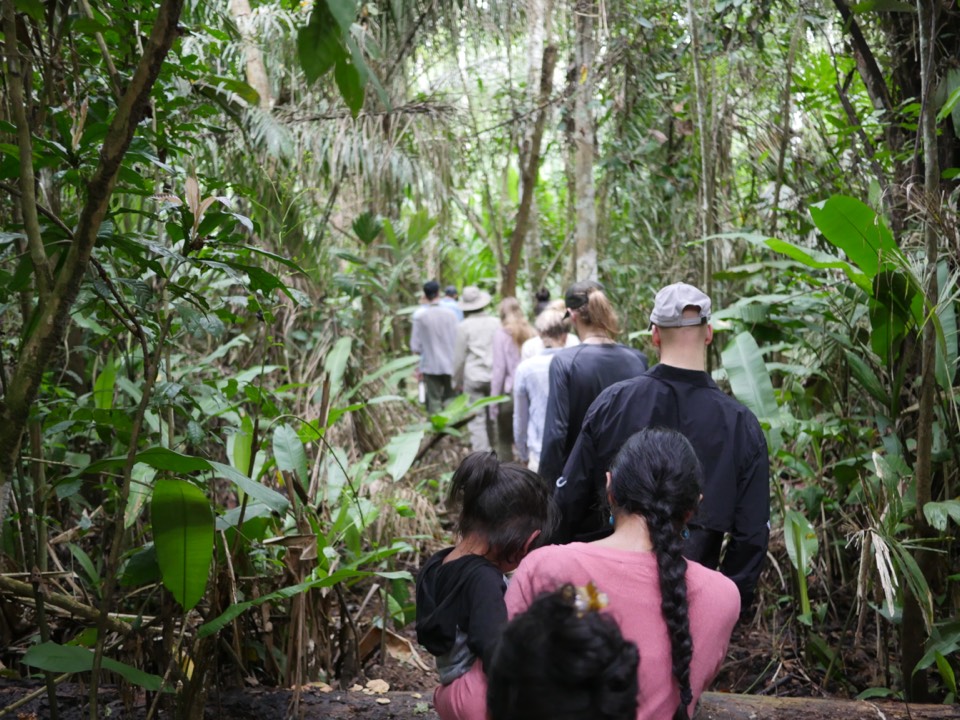
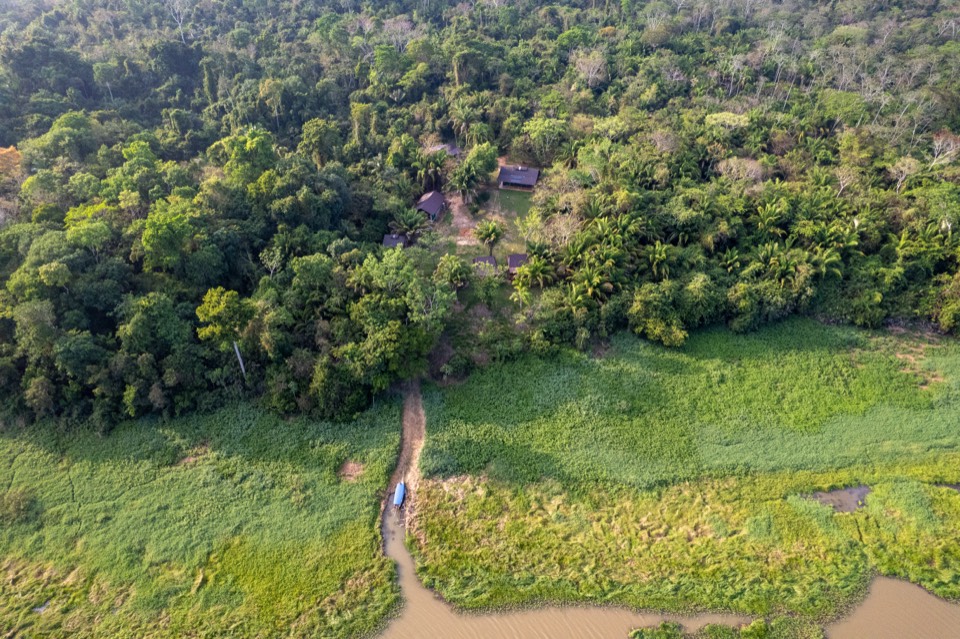
Live and work at Motacú, Sustainable Bolivia's research station inside the Aquicuana Reserve, 20 km from the city of Riberalta. Everything you need to decide is on this page.
In short
You'd choose a project, research, education, NGO support, sports, art or ecotourism, and live at Motacú station, or with a family in Riberalta on a homestay, for at least two weeks or a month, depending on the project. The volunteer fee is $695 USD a month, or $30 USD a day for stays under a month, and it includes your cabin, food and Starlink satellite internet. Travel to Riberalta is not included. [DRAFT, confirm with Xavier] Fly or take the bus to Riberalta, then a taxi for 30 to 90 minutes, depending on the season. To apply, email us your CV and dates.
The way in
Getting to the station
-
Step 1: Get to Riberalta
Fly with the airlines Ecojet or Amaszonas. From La Paz, about 900 bolivianos ($130 USD) with Ecojet, or 700 bolivianos ($100) with Amaszonas, changing in Santa Cruz; from Cochabamba, about 750 bolivianos ($110). Or take the bus from La Paz, Cochabamba or Santa Cruz: from La Paz or Santa Cruz, about 180 bolivianos and 30 hours in the dry season, longer in the rainy season.
-
Step 2: Go 20 km by road
A taxi picks you up at the airport and drops you at the reserve. Coming by bus, take a taxi or motorbike taxi from Riberalta. The ride takes about 30 minutes in the dry season (April to October) and 1 to 1.5 hours in the rainy season (November to March).
-
Step 3: Arrive at Motacú station
Tell us your dates a few days ahead, so the communities can be ready for you. We can help you book Ecojet flights.
Where you'd live
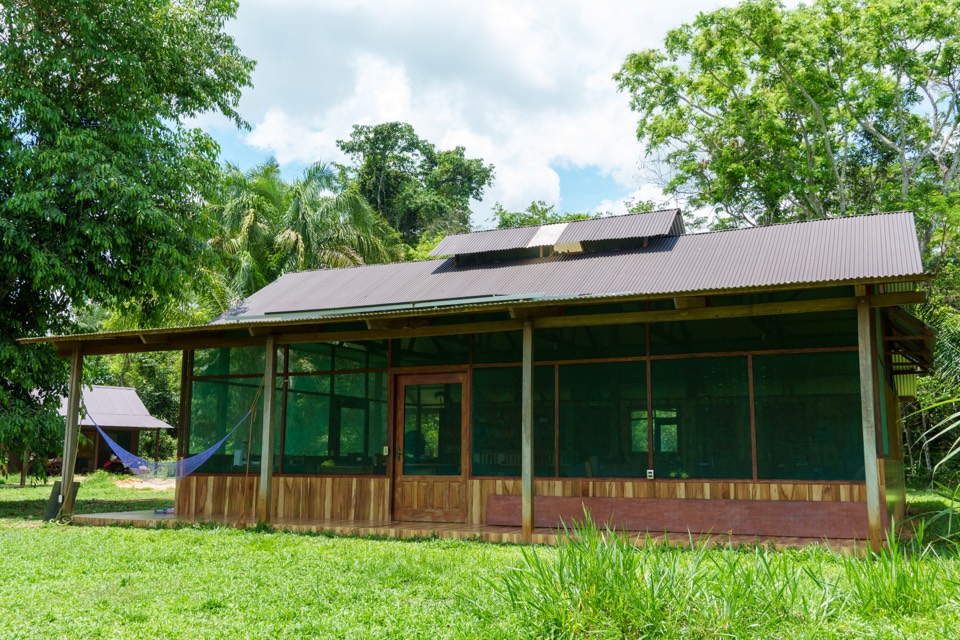
Motacú station
- Cabins
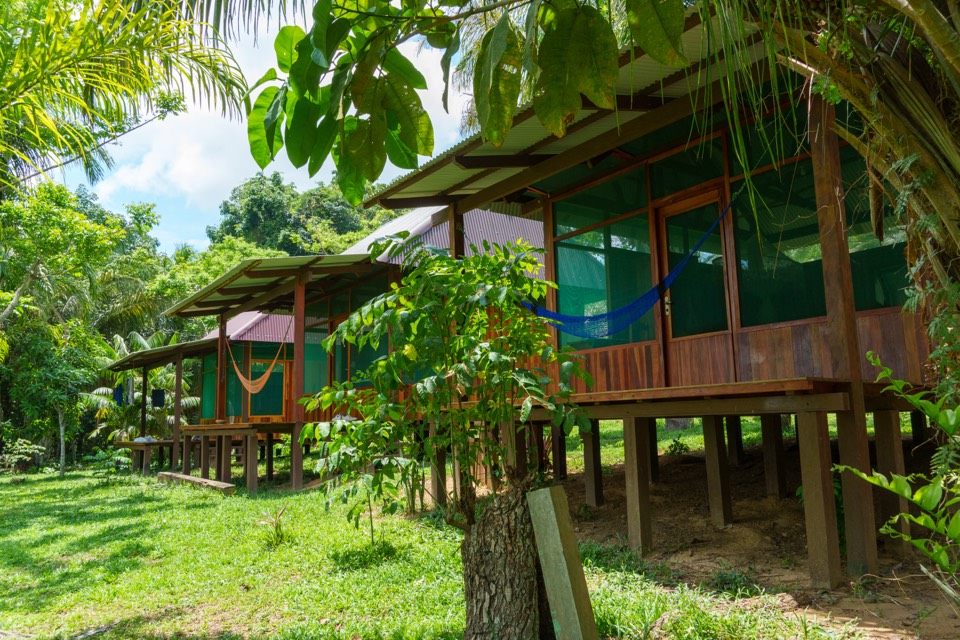
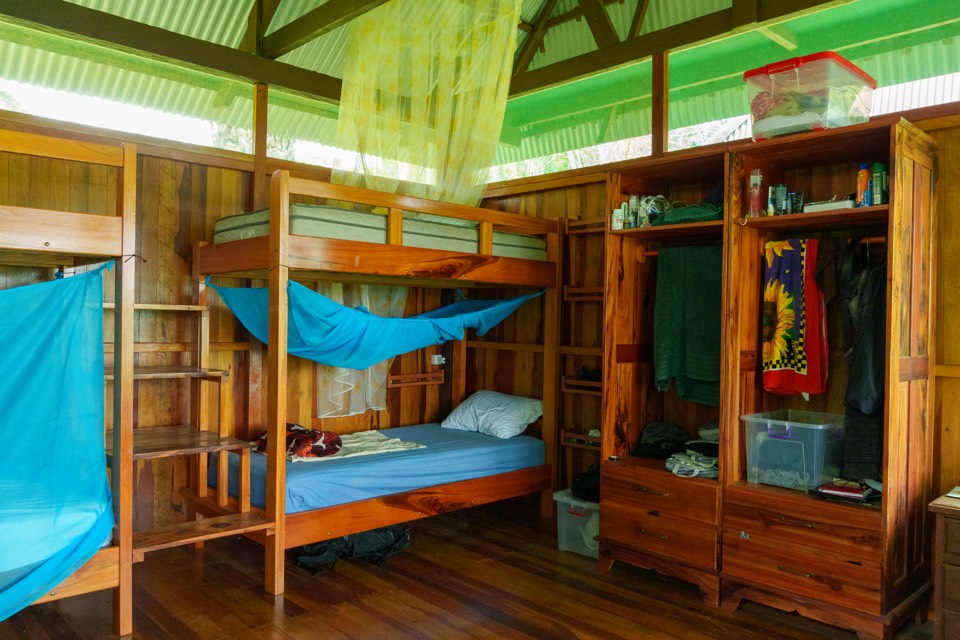
- Two volunteer cabins with four beds each, mixed. No fans or air conditioning. Tell us if you need something different.
- Your space
- Each person has their own bedding, mosquito net and storage cabinet. Each cabin has a desk and a hammock.
- Office
- Desks, comfortable chairs, fans and Starlink satellite internet, which can drop out in heavy cloud.
- Bathrooms
- Fully plumbed, near the cabins and in the office. No hot water.
- Kitchen
- Fully stocked, between the office and the cabins.
- Laundry
- Sinks and drying lines, or a laundromat in Riberalta.
The work
Choose a project
We place people by interest, time, Spanish and experience. If your skills aren't listed, tell us anyway.
Independent research
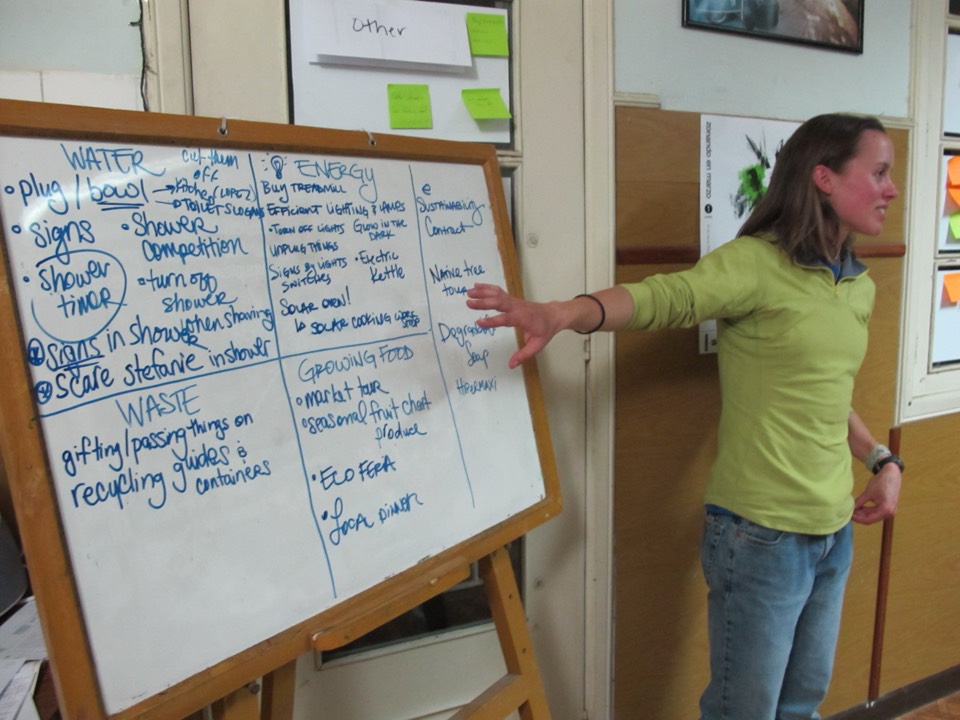
Collect data on your own project, with help from our staff and local forest guides.
Education
Help run after-school English classes for the children of Warnes, one of the communities inside the reserve, on weekdays from 2:30 to 5:00 pm. Mornings go to lesson prep or another project.
NGO support
Work for Sustainable Bolivia itself: photography, video editing, website design, social media, grant writing and research. This one can be done remotely.
Sports
Run an after-school football or sports camp for the children of Warnes. We organise it with the community; you need a coaching background.
Visiting artist
Stay at the station and make your work: visual art, music, writing, photography or video.
Ecotourism
Help develop community ecotourism on the reserve. Needs previous experience.
Homestay in Riberalta
Live with a local family in Riberalta and volunteer with one of our partners in town.
The volunteer fee
$695
US dollars a month
[DRAFT, confirm with Xavier]
$30
US dollars a day, for stays under a month
[DRAFT, confirm with Xavier]
Included: your shared cabin, food, Starlink satellite internet and project support; the full list is below. Not included: travel to Riberalta. [DRAFT, confirm with Xavier]
Researchers: if your fieldwork is much shorter than a month, we can talk about the price.
Sustainable Bolivia is a non-profit. The fee covers your cost of living and our organisational support.
The fee covers
- A shared, screened cabin with a bed, mosquito net, pillow, sheets and towels
- Vegetarian meals, mostly fresh and local. Cooks make lunch and dinner when more than three volunteers are on site
- Electricity, Starlink satellite internet and drinking water
- Project support: forest guides, boat rides, trail access, research equipment and transport to project sites
- Shared office and living space, plumbed bathrooms and laundry sinks
- Visa advice, and help booking Ecojet flights
- A weekly food run to the reserve, and cleaning and maintenance staff
- Candles, mosquito coils, lighters, cooking fuel and toilet paper
Good to know
- There is no hot water.
- Cabins have no fans or air conditioning. The office has fans.
- Starlink can drop out in heavy cloud.
- You cook your own breakfast and weekend meals.
Apply
Apply by email
Email your CV and a cover letter to information@
sustainablebolivia.org [DRAFT, confirm with Xavier], saying which project or projects interest you.In the letter, tell us your dates, the languages you speak, your skills and experience, and what you hope to contribute.
We work out a placement with you, based on your interests, your time, your Spanish and your experience.
Questions
What people ask before applying
Do I need to speak Spanish?
It depends on the project. Education needs some Spanish, sports a working level and homestays basic Spanish. NGO support and art residencies don't require it.
What will I eat?
Mostly fresh, local vegetarian food: quinoa, rice, beans, lentils, fruit and vegetables. Cooks make lunch and dinner when more than three volunteers are on site; you make breakfast and weekend meals in the shared kitchen.
What is the internet like?
Starlink satellite internet. It's generally reliable but can drop out in heavy cloud.
Can I have a cabin to myself?
Sometimes, for an extra fee. Ask when you write.
Can I work remotely?
NGO support can be done remotely, and we can agree how long you commit for.
Can you help with my visa?
We can advise on entering Bolivia and on renewing your visa after a month.