
Research
Research at Motacú
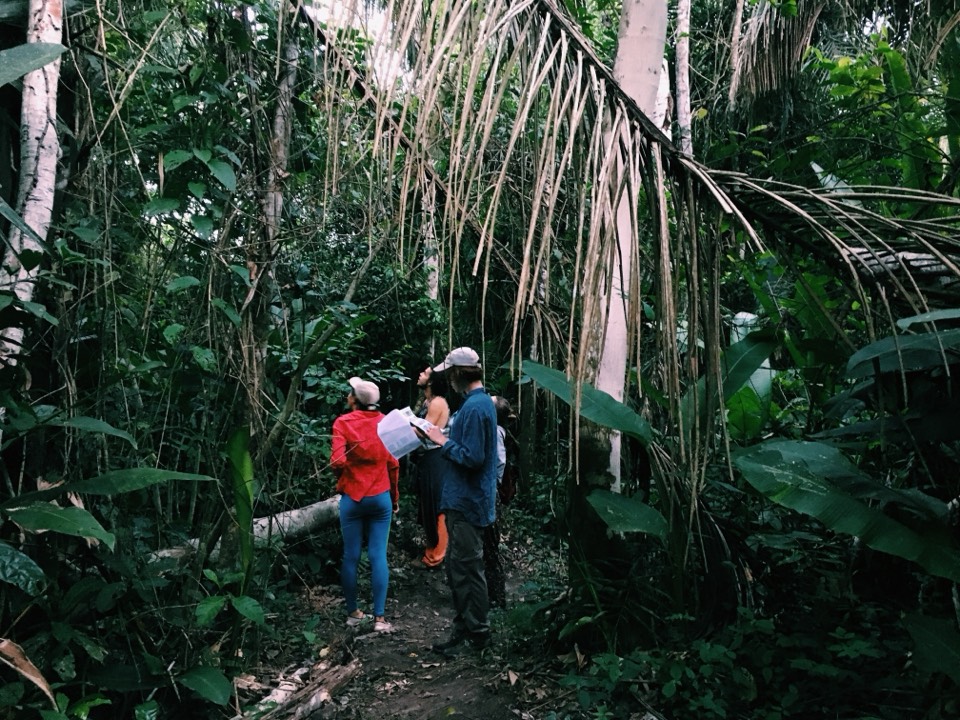
Researchers use Motacú as a home base and a way into the forest, in a biodiverse, culturally rich and little-studied part of the world. We help you design a project that suits the reserve.
Topics
What researchers work on
Plants
Flora inventory, vegetation mapping, native palm oils, plant monitoring.
Fungi
Mycological inventory and fungal surveys.
Animals
Birds, including the native masked antpitta; bats; jaguar monitoring.
Water
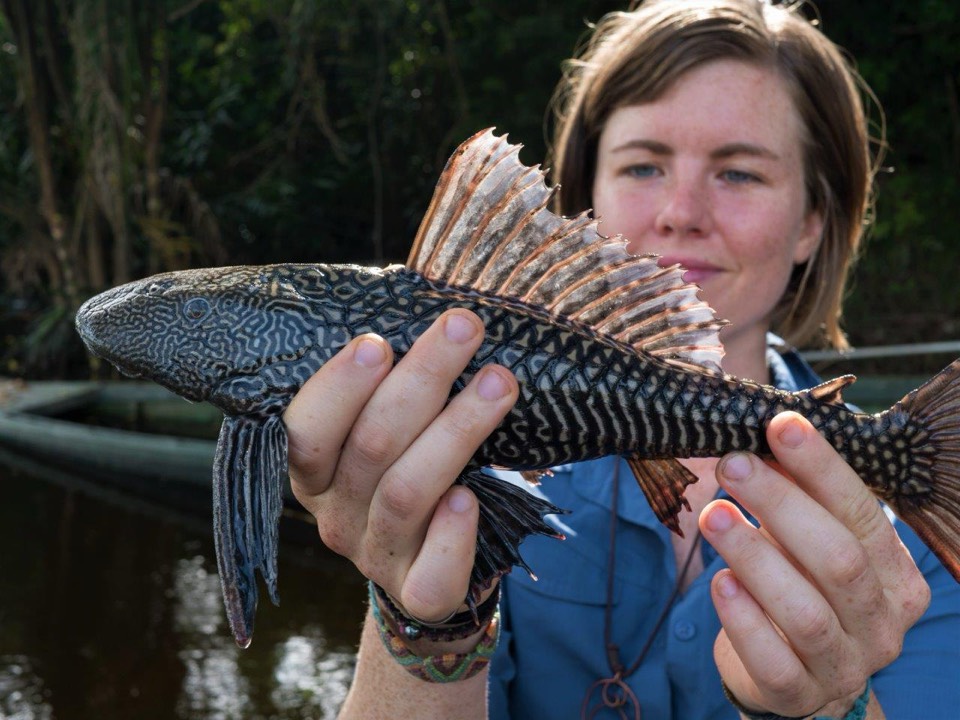
Fish inventory and aquatic sampling.
Outputs
Field guides and articles on the reserve's species.
Support
How we help
Our staff can help you plan, with background information, local contacts and guides, and in-depth knowledge of the area and the reserve. The station has some basic research materials. Biologist Vincent A. Vos, our research supervisor, has lived in the area for more than 20 years and is available to visiting researchers.
We have connections with the Universidad Autónoma del Beni José Ballivián (UAB-JB) and with two research centres, CIRA and CIBIOMA, all in Beni. We encourage you to work with Bolivian scientists, and we can help make those connections.
- Researchers at a time
- Ideally three or four
- Applications
- Read as they arrive
- Spanish
- Helpful with local guides, not strictly needed
- Short fieldwork
- Researchers live at the station and pay the volunteer fee. If your fieldwork is much shorter than a month, we can talk about the price.
Projects
Work you can join
Do your own research, or contribute to our ongoing projects. Specific proposals and general questions are both welcome.
Species and field guides
Look for specific animals in the reserve and list them with their full names, descriptions and pictures. Prepare field guides, write blog posts or scientific articles about the work and the reserve's species, and propose observation projects and activities about its plants and animals to local institutions.
Plants
Work alongside local healers and specialists to record each species: its features, where it grows, its wood, uses and ecology, when it flowers and fruits, its seeds and its seedlings. Photograph, list and describe the plants, make material on their names, properties and traditional uses, and map a trail where locals and guests can learn about Amazonian medicinal plants.
Mushrooms
Test and improve small-scale, sustainable mushroom growing, from the substrate to fruiting, and train community members in it. Search for, photograph and document the reserve's wild mushrooms, and help prepare material for an ebook, Mushrooms of the Bolivian Amazon.
Frogs
A visiting researcher built pitfall traps in a dry part of the forest and a wet one, to learn which frogs live there and how many pass through. We would like to keep it going for a full year, to compare the dry and rainy seasons: check the traps, catalogue the frogs, and raise a new round of tadpoles.
Environmental education
With the school in Warnes
We are looking for volunteers to keep these projects going and develop them further.
Guardians of the Amazon
An ecology club started in 2018 at the school in Warnes, at the entrance of the reserve, with 70 primary and secondary pupils. The children plan awareness campaigns and practical activities, like cleaning up their surroundings, to help their community look after its environment.
A mini-park at the school
A proposed green space in the school grounds for learning about culture, ecology, geography and care for the environment, with workshops, exhibitions, cultural exchange and a community garden of traditional medicinal plants.
Tourist guides and the Ecoaventura Institute
A long-term project that combines environmental education, ecotourism and hands-on learning: an institute where young people from Warnes will study ecotourism, in theory and in practice.