Aquicuana Reserve
Plants and animals of the reserve
Sustainable Bolivia is building an inventory of the species that live in the reserve, to show locally and around the world why it must be protected. The work goes on: much of the forest's life has still to be found and described.
Birds
More than 330 bird species
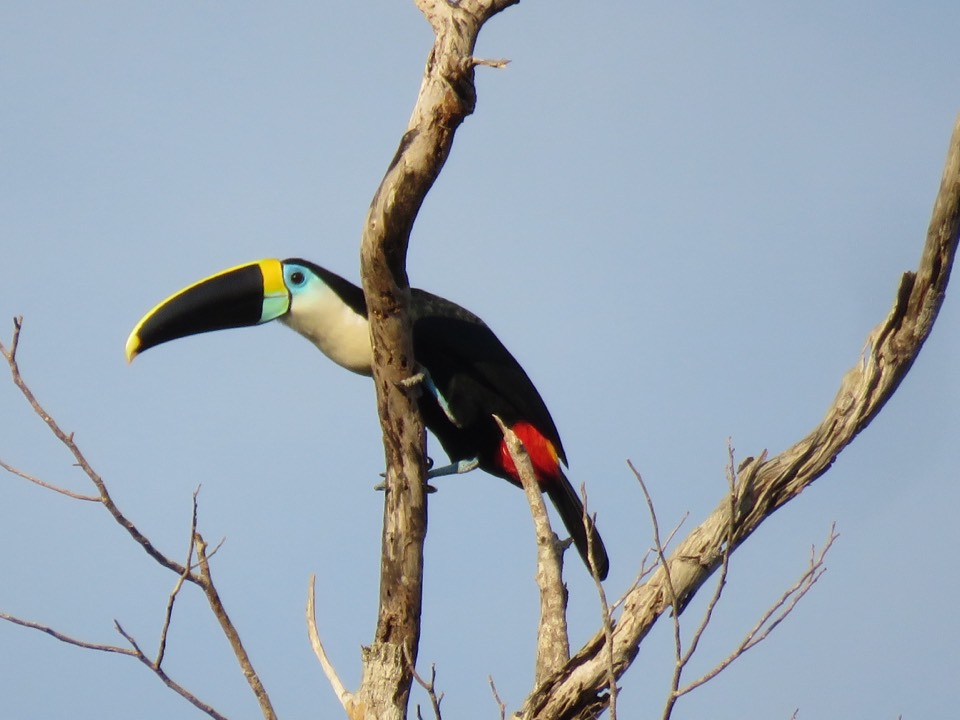
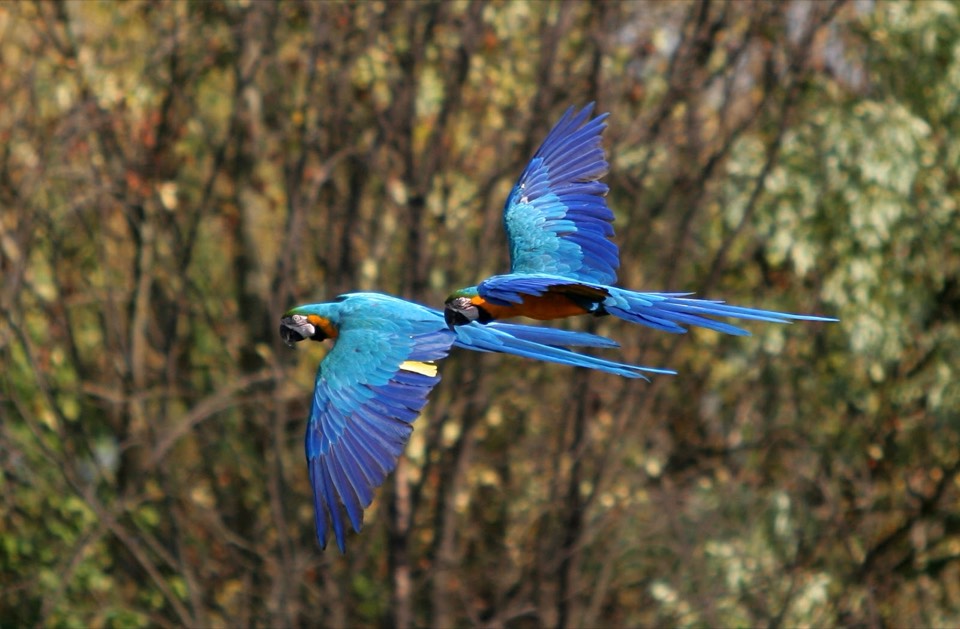
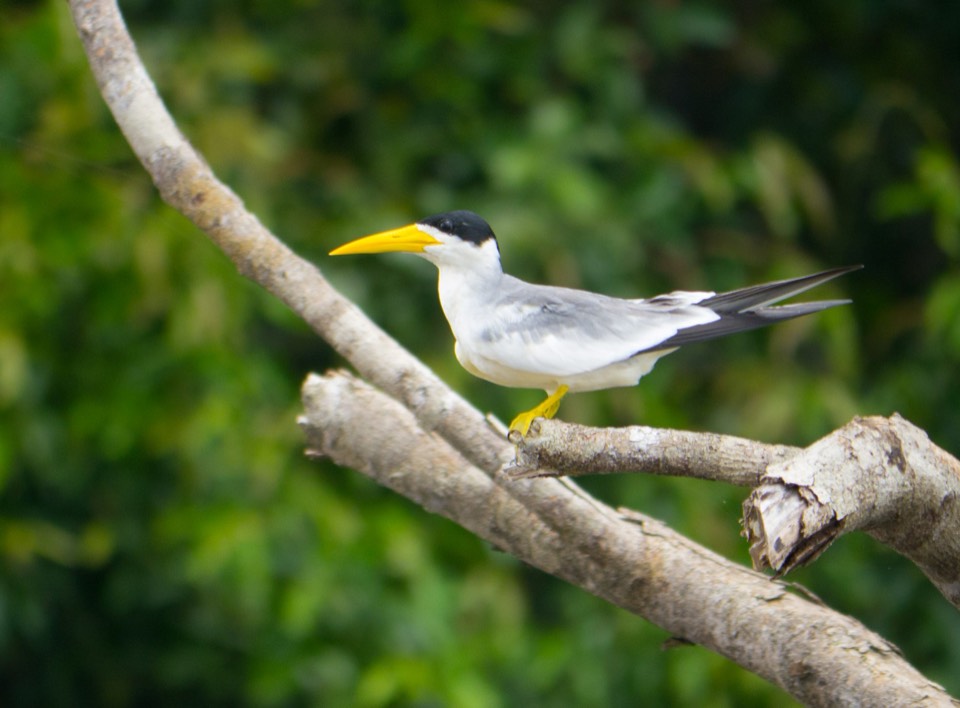
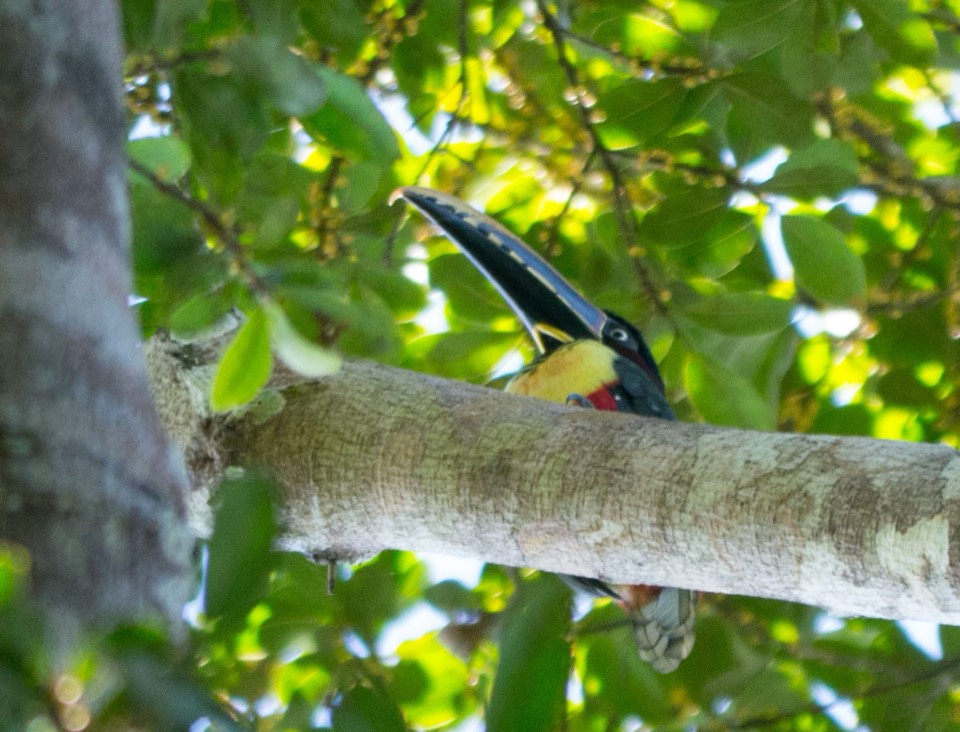
Birding surveys have recorded more than 330 species in the reserve, including several first records for the Beni department, and Sustainable Bolivia estimates there are more than 350. One of the species recorded is the masked antpitta (Hylopezus auricularis), classed as vulnerable by the International Union for Conservation of Nature (IUCN), which lives only in patches of forest around Riberalta and in the reserve.
Frogs and reptiles
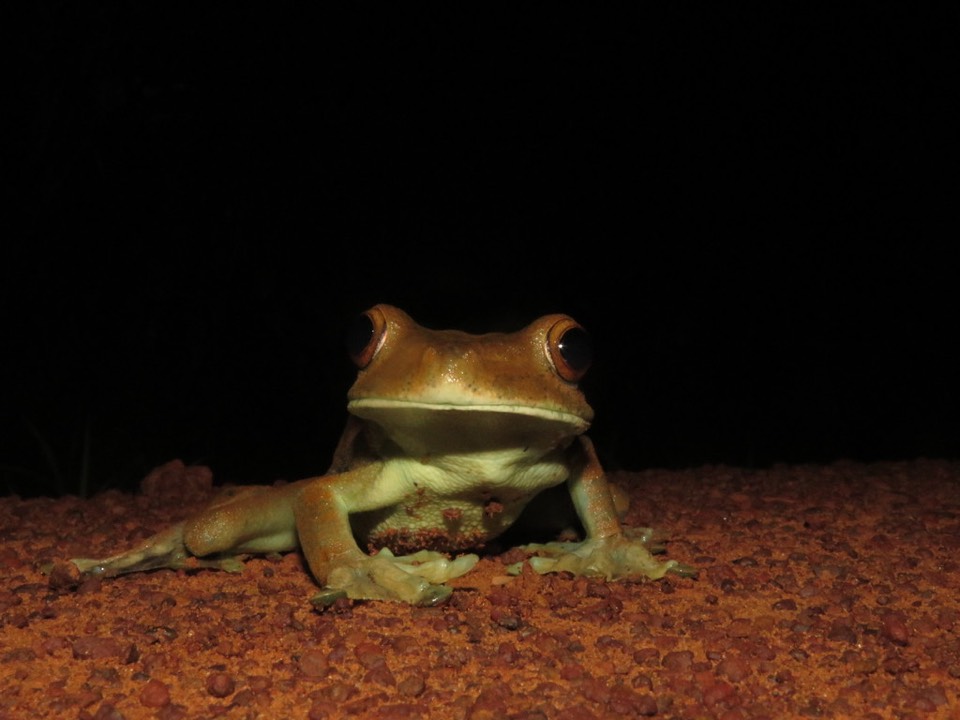
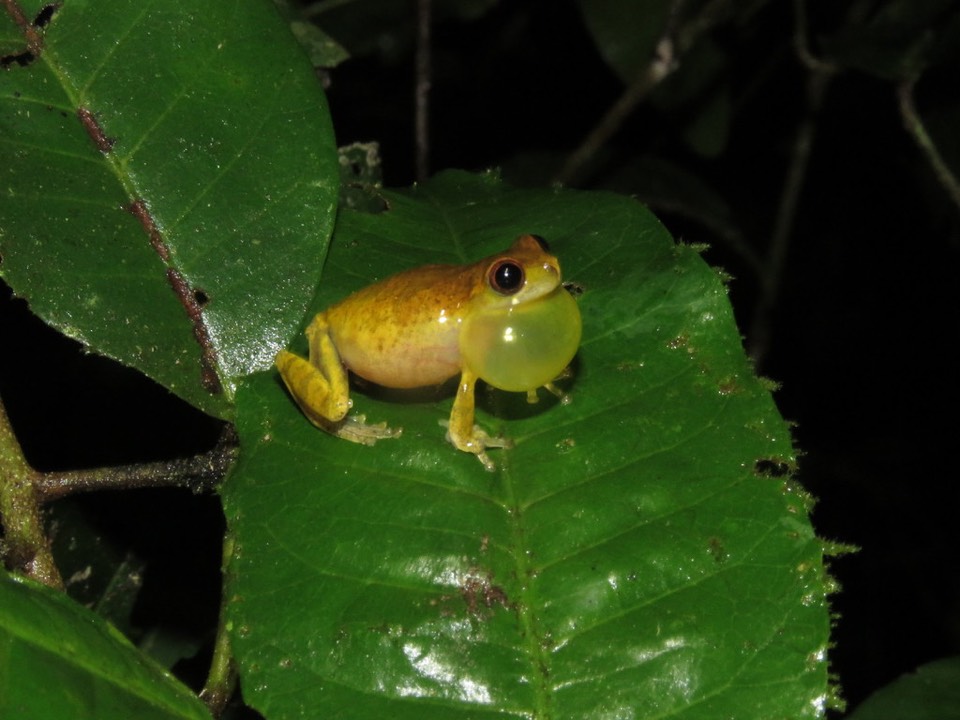
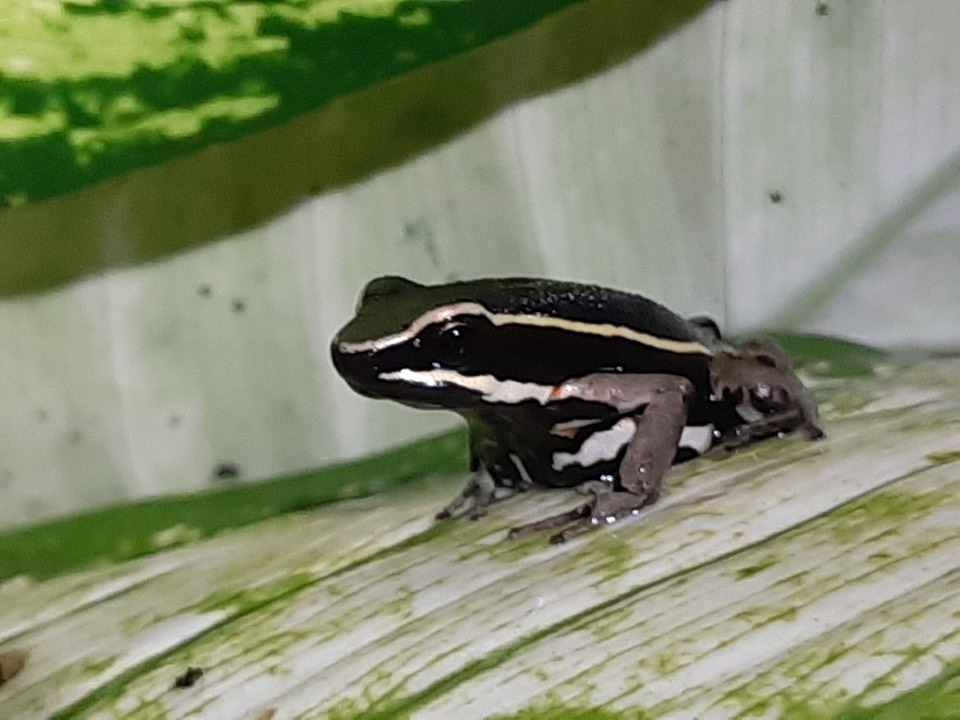
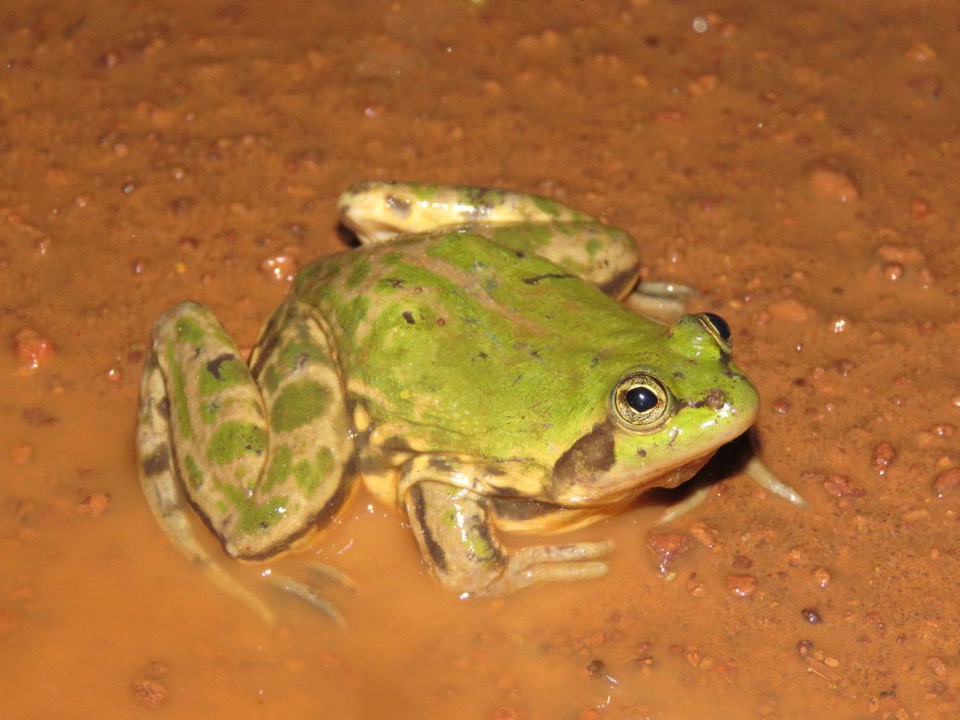
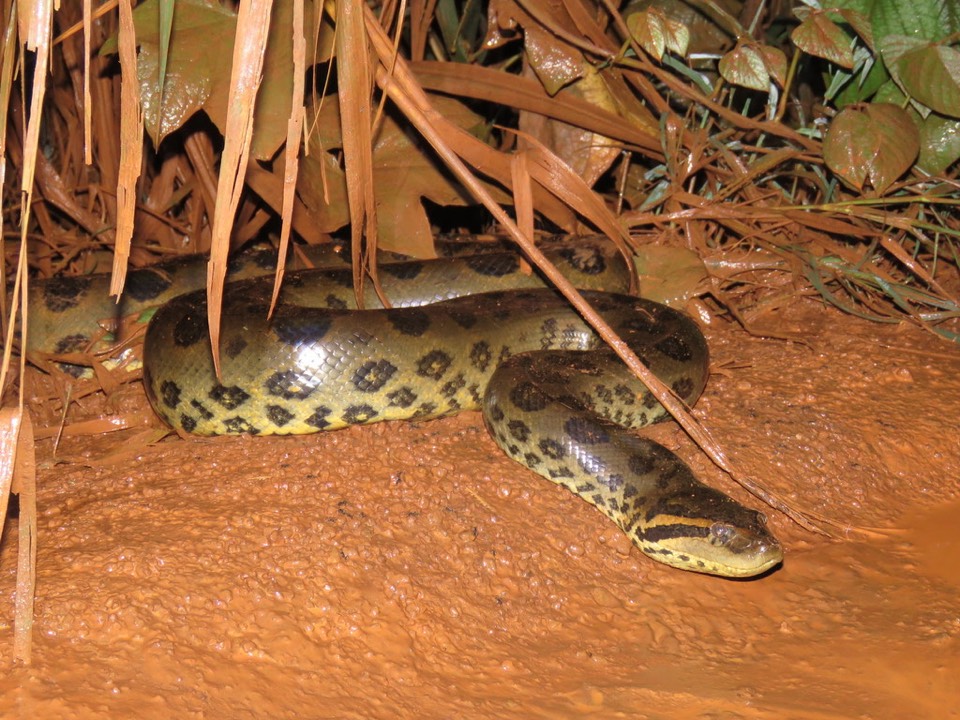
40 kinds of frog, caimans and anacondas
Early research has recorded 40 frog species in the reserve. The lakes and streams also hold caimans and the anaconda.
Insects
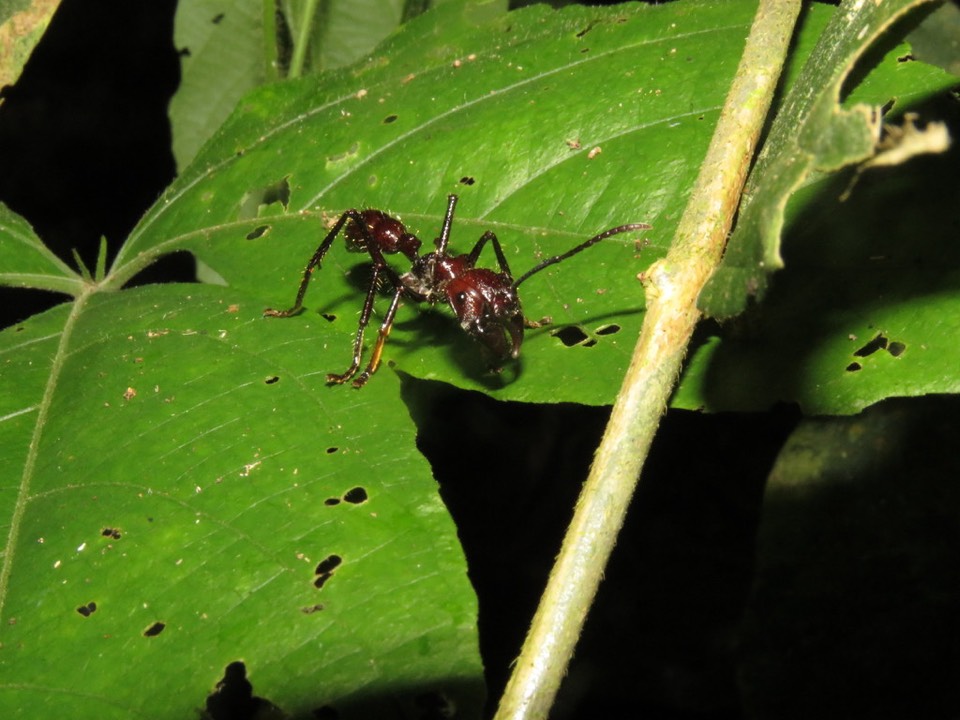
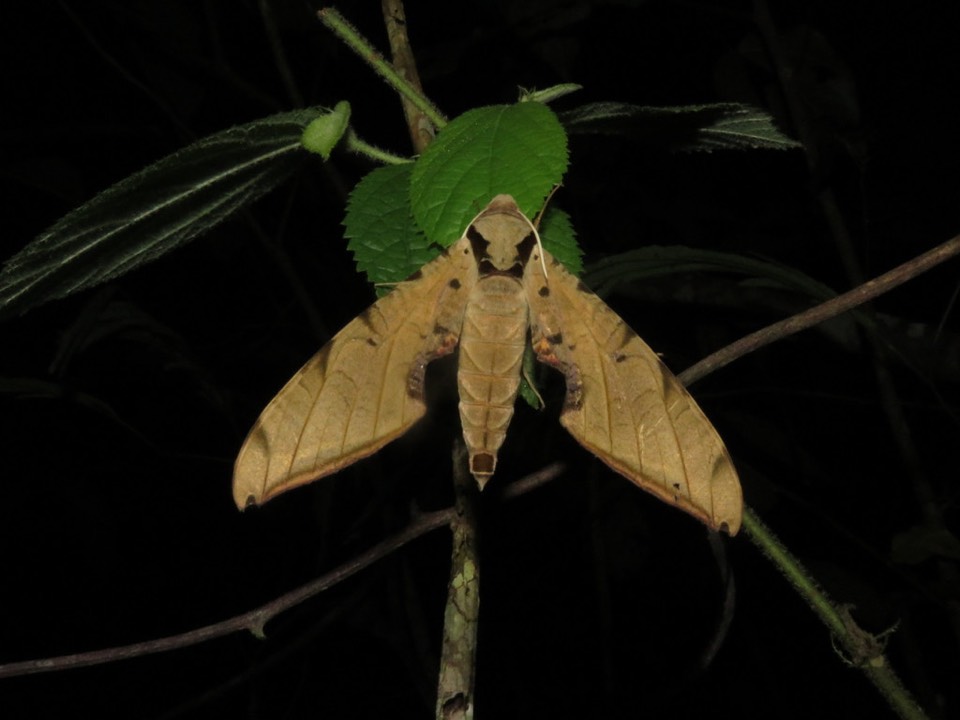
Butterflies, moths and ants
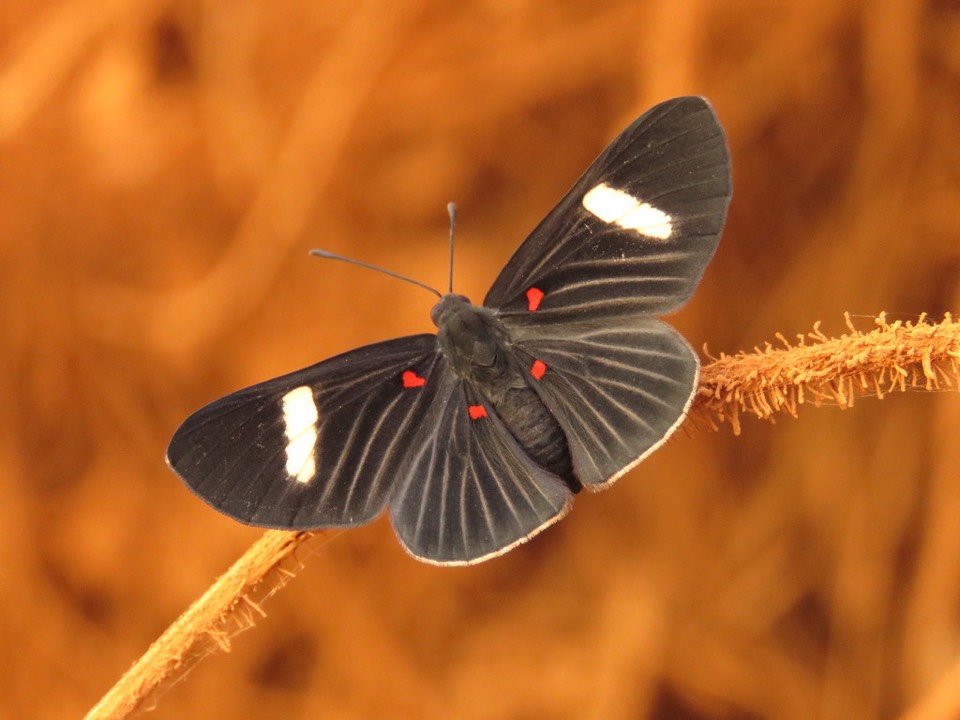
The reserve is full of insects. Two butterflies are common: Biblis hyperia, dark brown with a red stripe, and the much larger Morpho deidamia, whose wings can span 150 to 170 millimetres.
Mammals
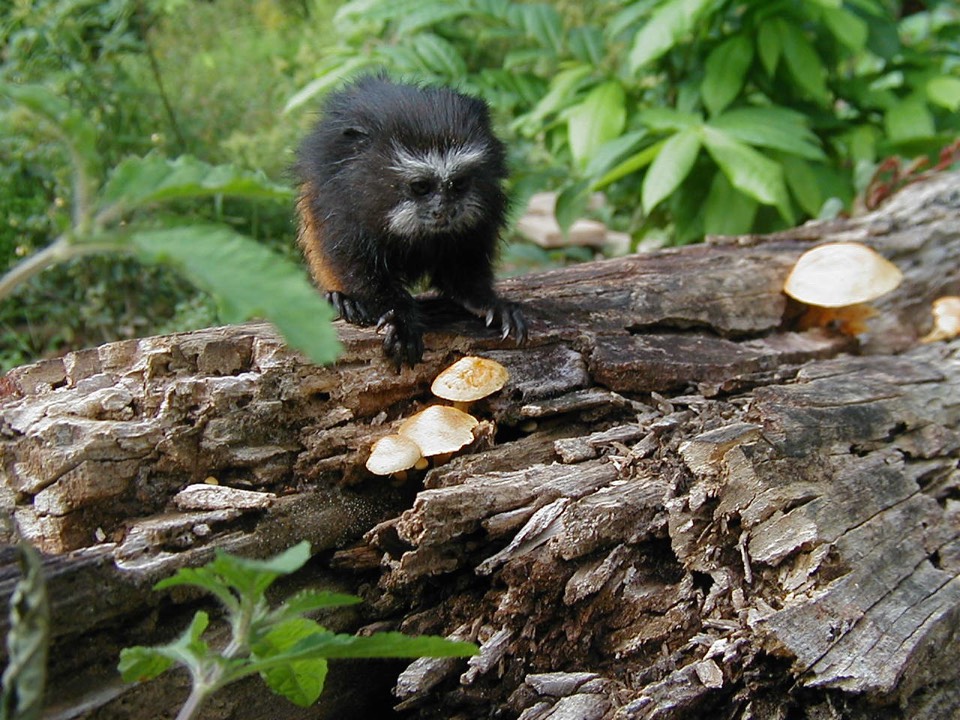
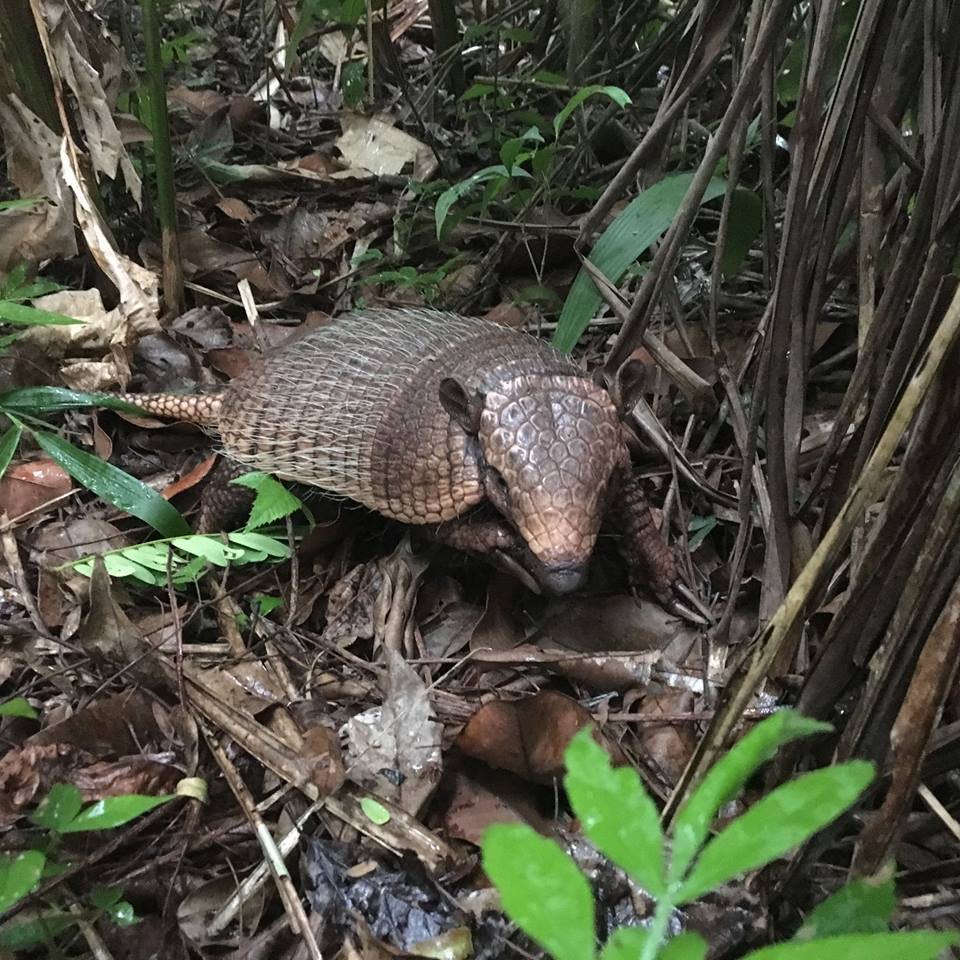
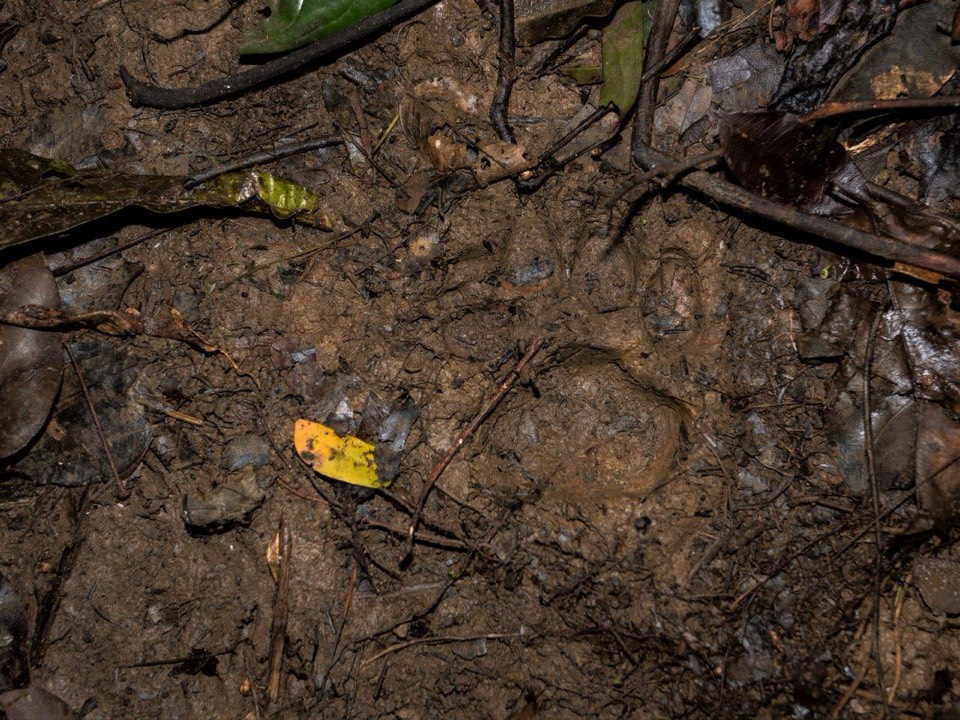
Jaguars, armadillos and monkeys
These are the reserve's best known mammals. Most mammal species in the Bolivian Amazon, about 60%, are rodents and bats. The jaguar, the giant otter and the Peruvian spider monkey all live in the reserve and all face extinction.
Trees, plants and fungi
A forest still being described
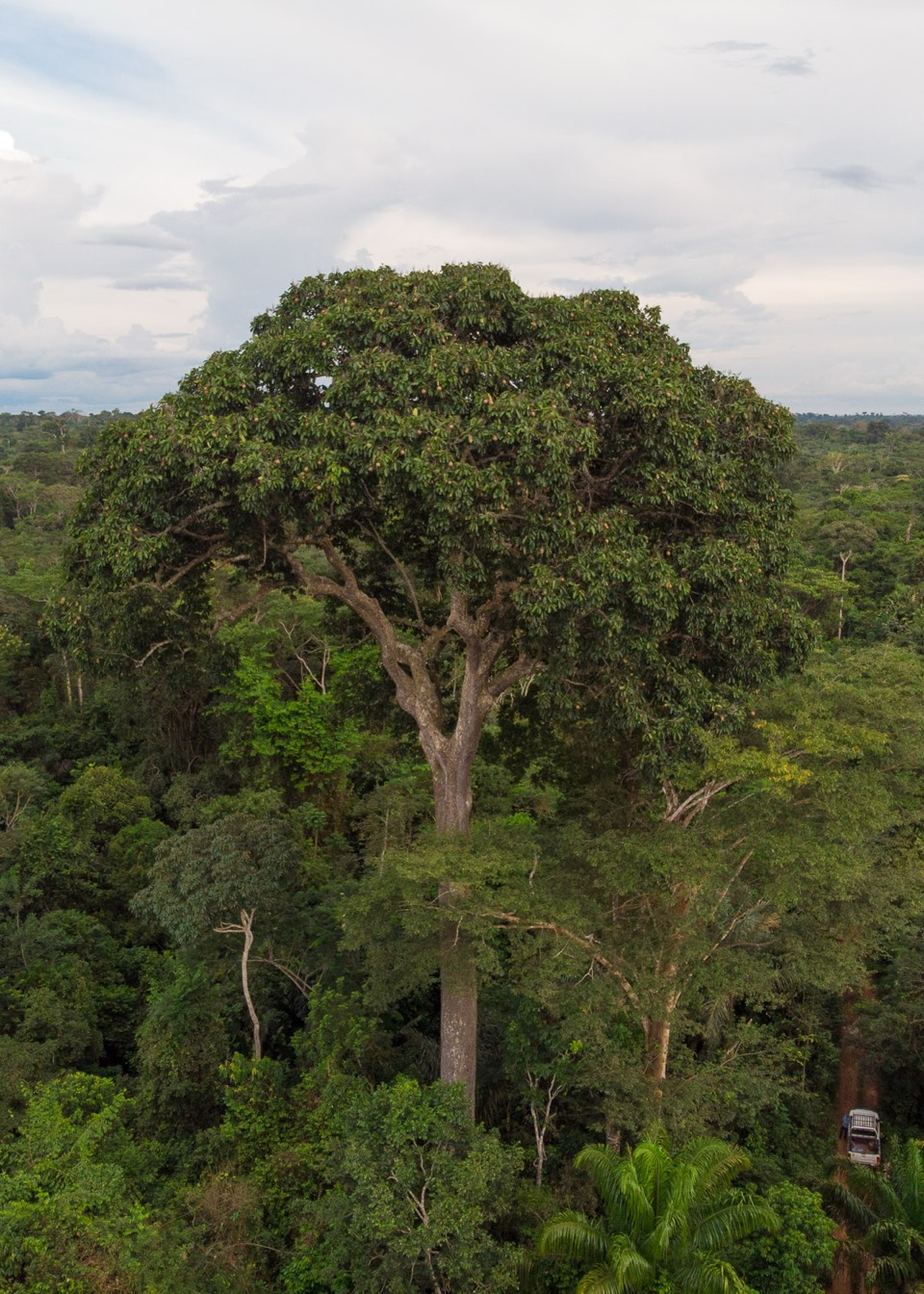
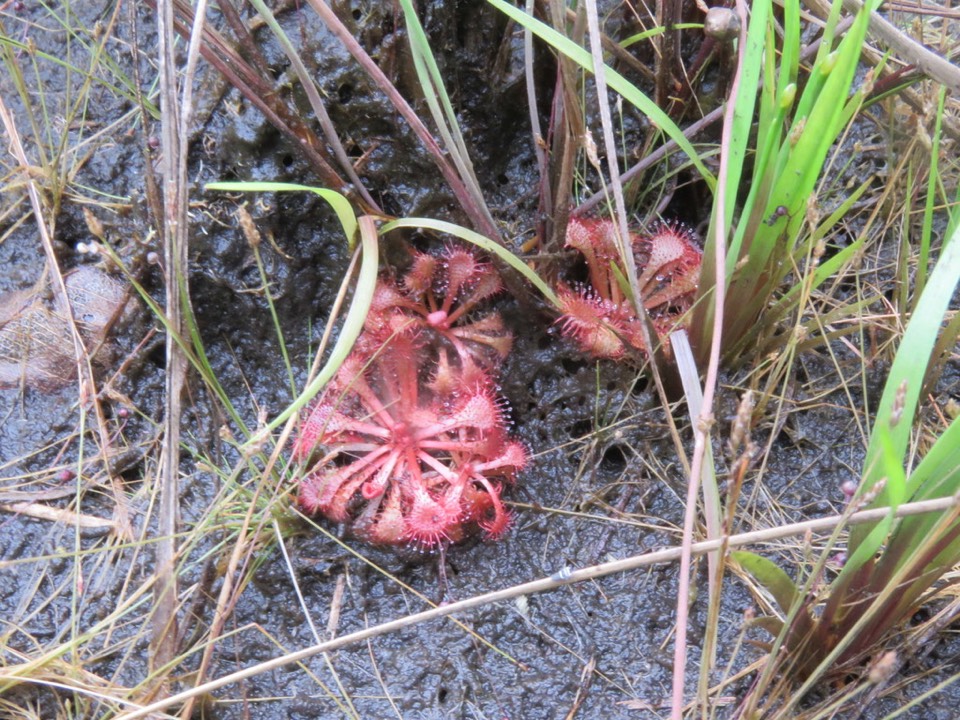
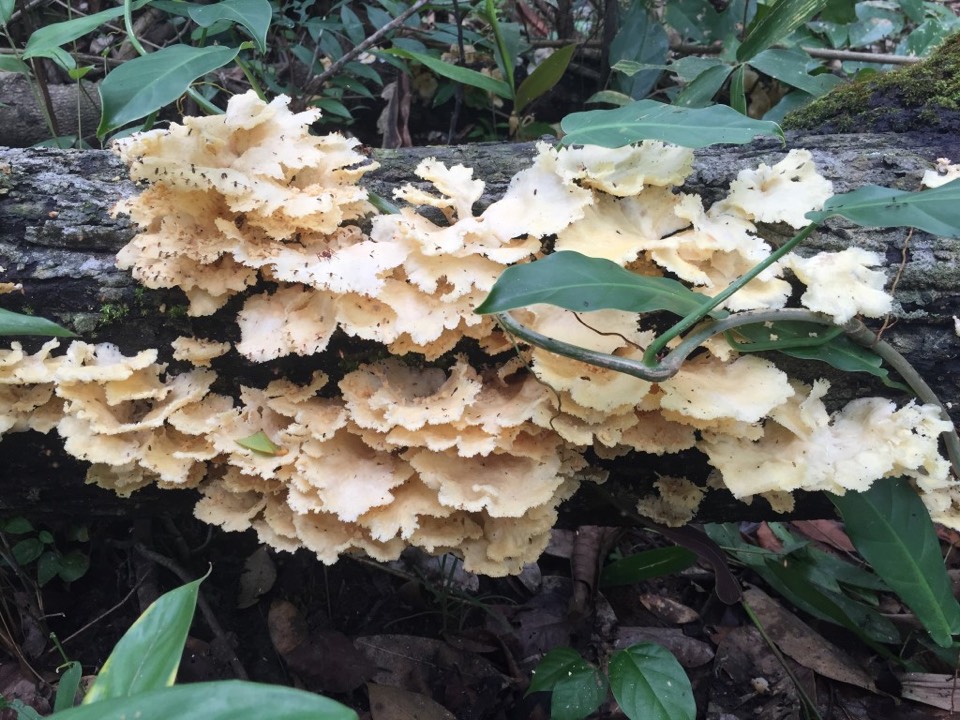
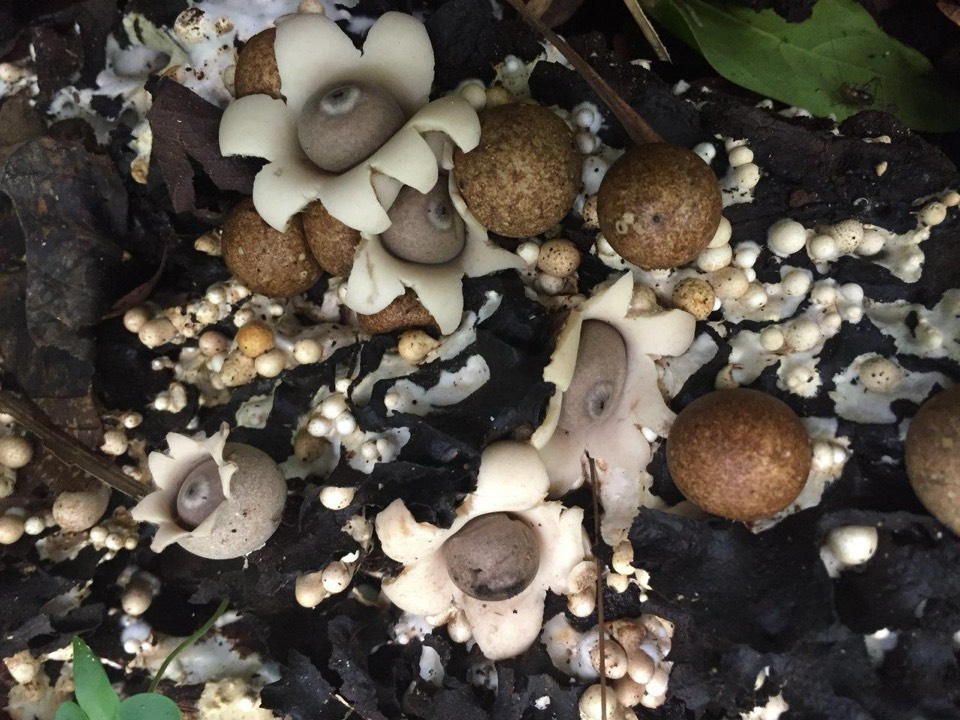
Most plants in the reserve have not yet been described by science. Biologist Vincent Vos estimates that only 3,000 of about 8,000 tree species in the Bolivian Amazon have been described so far. The Brazil nut tree (Bertholletia excelsa), a giant, carries the economy of Bolivia's northern Amazon. Many of the reserve's fungi have not been catalogued either, and Sustainable Bolivia welcomes researchers who want to study them.