
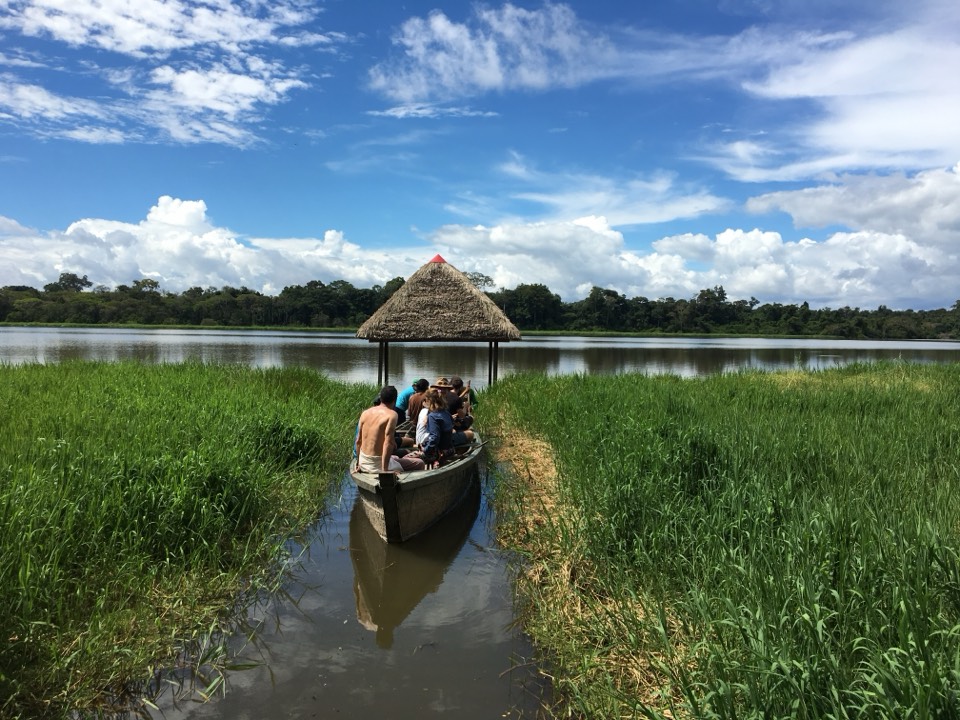
Promoting economic and environmental sustainability
Volunteer, research and conservation in the Bolivian Amazon
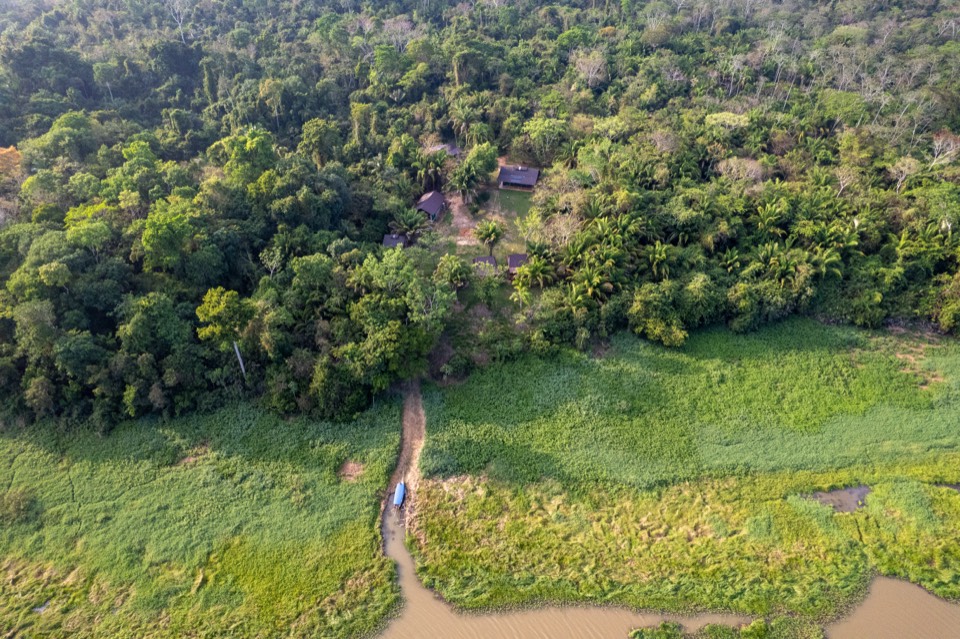
Since 2016, Sustainable Bolivia has helped protect the Aquicuana Reserve: more than 20,000 hectares of rainforest, 20 km from the city of Riberalta. Volunteers, interns and researchers live and work with us at Motacú, our research station on the reserve.
Location
Getting to the station
-
Step 1: Get to Riberalta
Fly to Riberalta with the airlines Ecojet or Amaszonas, or take the bus from La Paz, Cochabamba or Santa Cruz.
-
Step 2: Go 20 km by road
A taxi picks you up at the airport and drops you at the reserve. Coming by bus, take a taxi or motorbike taxi from Riberalta. The ride takes about 30 minutes in the dry season (April to October) and 1 to 1.5 hours in the rainy season (November to March).
-
Step 3: Arrive at Motacú station
Motacú, our research station, is inside the reserve, and volunteers, interns and researchers live there. Tell us your dates a few days ahead, so the communities can be ready for you.
Who we are
In 2016, Sustainable Bolivia helped the municipality of Riberalta and the two communities inside the reserve, Warnes and San José, protect more than 20,000 hectares of rainforest: the Aquicuana Reserve.
Sustainable Bolivia is a US non-profit registered under 501(c)(3). It was founded in Cochabamba, Bolivia, in 2007 and has been based in Riberalta since 2017.
Most of our work now happens inside the reserve, with the people who live there.
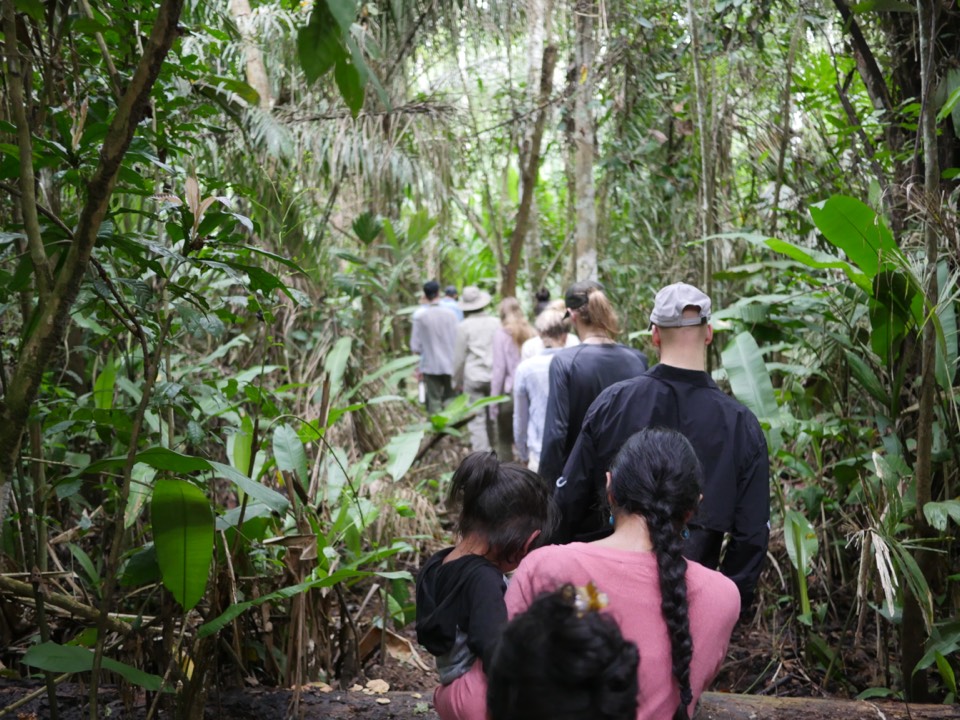
Volunteers, interns, researchers
Come and work with us
Live at Motacú and choose a project: your own research, English classes or a sports camp for the children of Warnes, your art, or work for Sustainable Bolivia itself on photos, video, social media and grant applications. Classes, art and work for Sustainable Bolivia need a stay of at least two weeks. Research and sports need a month.
The volunteer fee is $695 USD a month, or $30 USD a day for stays under a month. It includes your shared cabin, food and Starlink satellite internet. Travel to Riberalta is not included. Researchers whose fieldwork is much shorter than a month can ask about the price. [DRAFT, confirm with Xavier]
What we do
Our work on the reserve
Conservation
With the communities inside the reserve, we look for practical, low-cost ways to protect its biodiversity and manage its resources.
Research
Researchers use Motacú station as a base for fieldwork on plants, fungi, birds, bats and fish.
Community ecotourism
With local residents we run guided hikes, birdwatching, canoe trips and fishing in the reserve.
Environmental education
We work with community leaders to build care for the forest, and awareness of why it needs protecting.
We also run reforestation work, a ranger program, art residencies, local scholarships and microgrants.
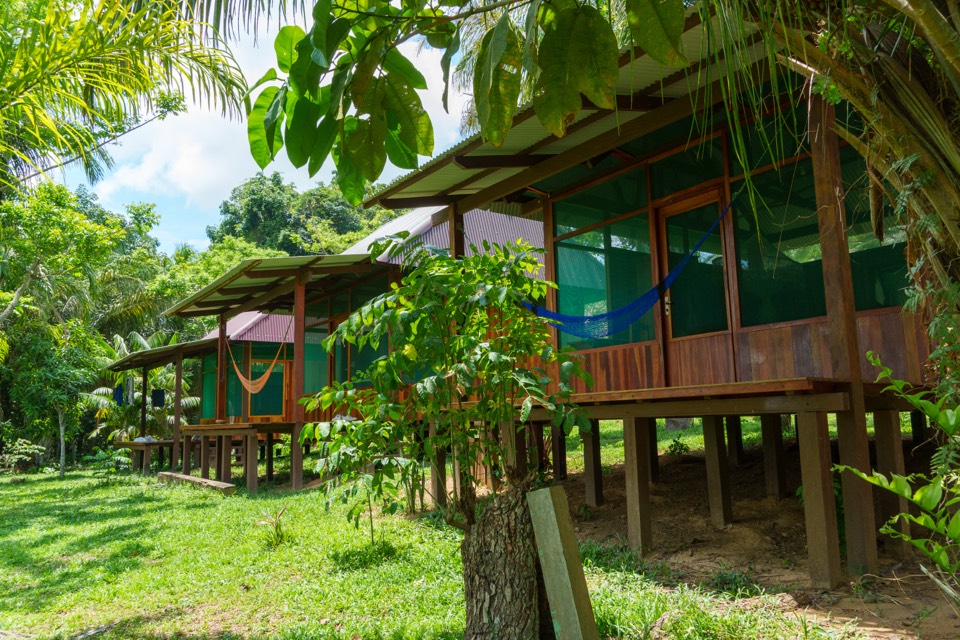
Where you'd live
Motacú station
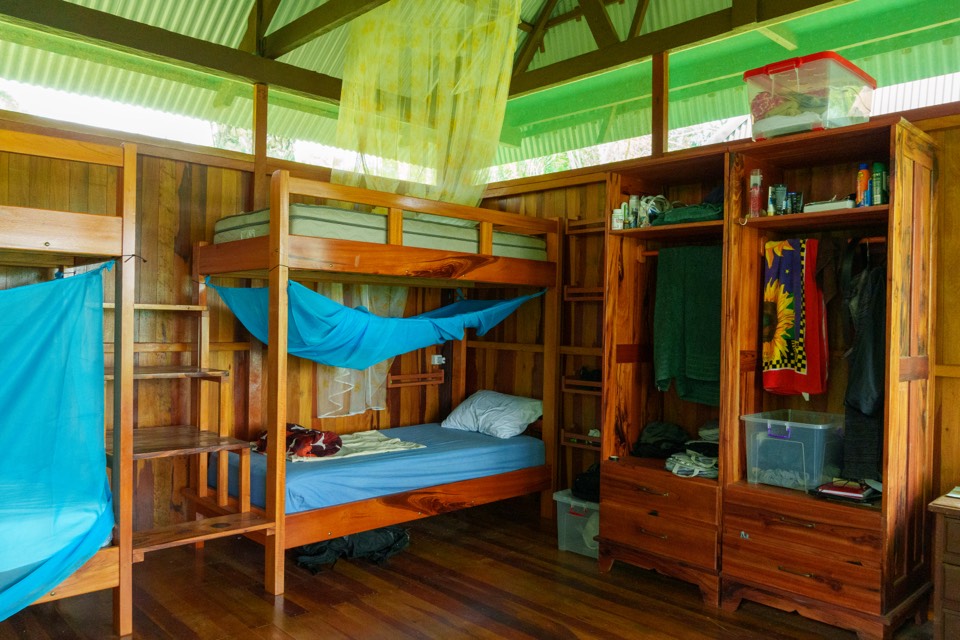
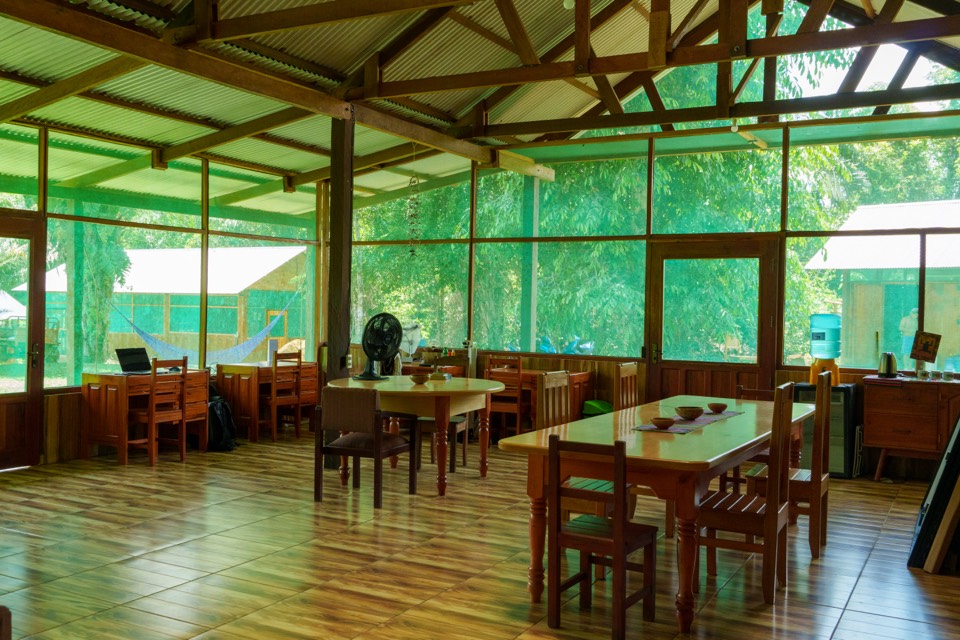
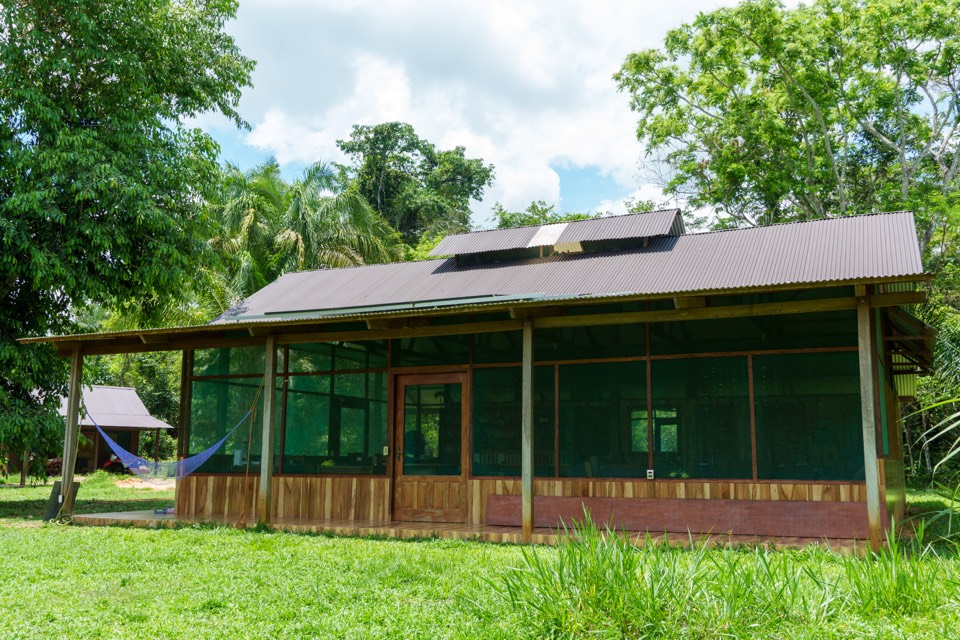
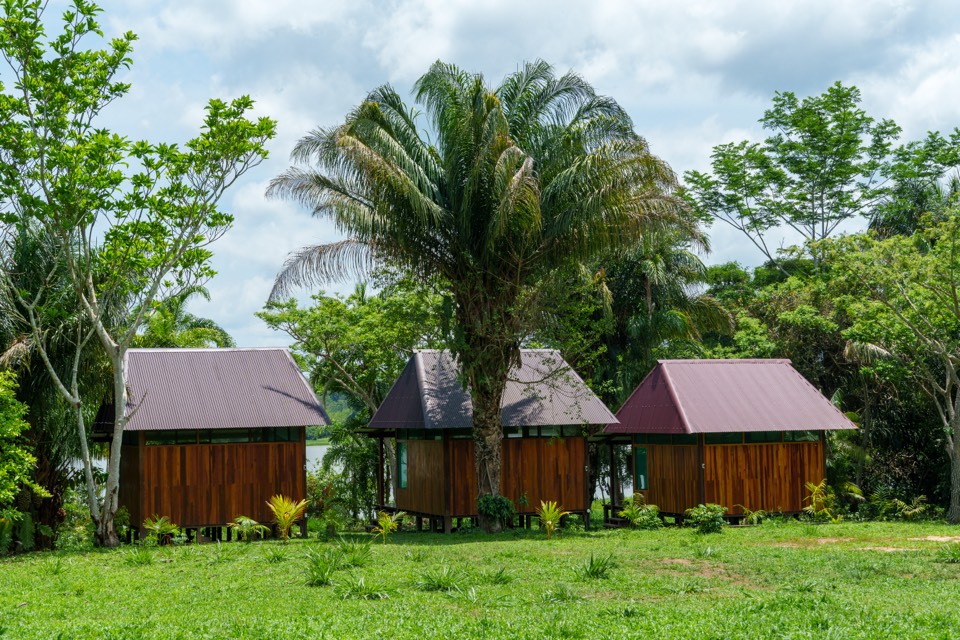
Volunteers share two of the station's cabins, four beds in each, an office with desks and Starlink satellite internet, a shared kitchen and plumbed bathrooms. There's no hot water, and no fans in the cabins.
Research
Research at Motacú
Projects here include flora inventory, vegetation mapping, native palm oils, mycology, birds, bats, fish, aquatic sampling and jaguar monitoring.
Researchers use Motacú as a home base and a way into the forest. We help you design a project that suits the reserve. We can host three or four researchers at a time, and we read applications as they arrive.
Biologist Vincent A. Vos, our research supervisor, is available to visiting researchers. We have connections with the Universidad Autónoma del Beni José Ballivián (UAB-JB) and with two research centres, CIRA and CIBIOMA, all in Beni, the Bolivian department where the reserve lies. We encourage you to work with Bolivian scientists.
Videos
Why people love Sustainable Bolivia
Four people from Sustainable Bolivia's extended family on why they love it. The videos open on YouTube.
- Sasha, a volunteer, on cultural exchange and volunteering with Sustainable BoliviaWatch on YouTube
- Gary Lime, our gardener, on why he loves Sustainable BoliviaWatch on YouTube
- Jessie Robinson on sustainable communal livingWatch on YouTube
- What living at a non-profit is like: a testimony from Sustainable BoliviaWatch on YouTube
Partners and donors
Support the reserve and the station
Donate
We're a non-profit with limited support from public or private funds, so every donation counts. Donations are tax deductible in the US.
Educators and universities
We're developing an interdisciplinary field school at Motacú, a course taught through fieldwork, and we're looking for people with a background in education to help shape it.