
Aquicuana Reserve
Visiting the reserve
Hike, go out on the lake and watch birds with guides from the communities that live in the reserve. The experiences are offered by and for those communities, as an income that does not cost the forest.
Activities
What you can do in the reserve
Hiking
Trails of one hour, an hour and a half or two hours, always with a guide who lives in the reserve. The routes include a canoe ride on Lake San José and its streams.
Boat trips
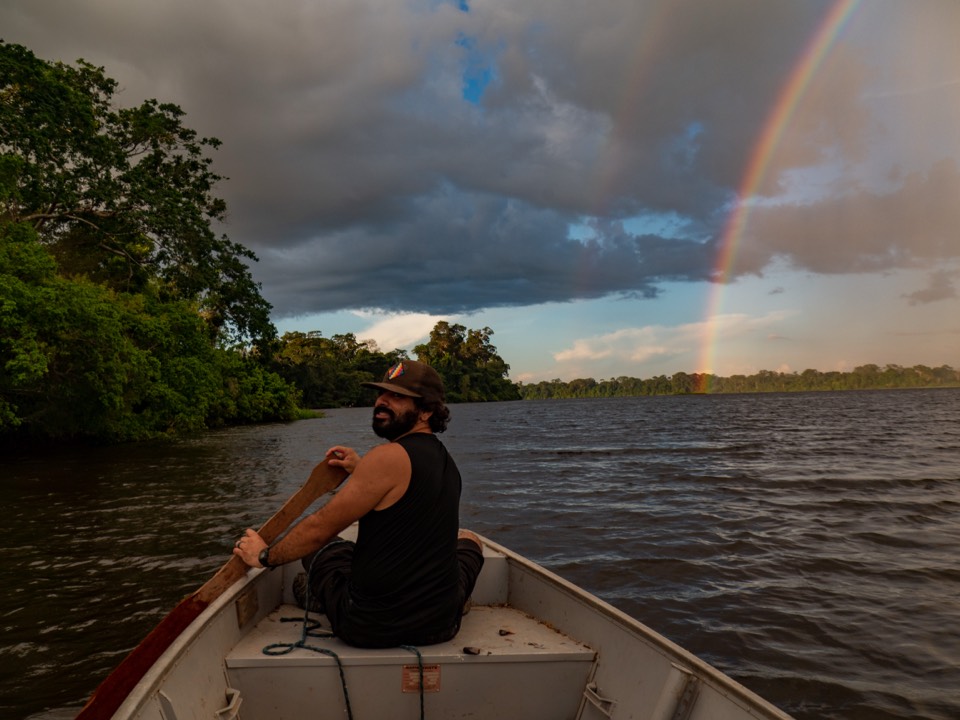
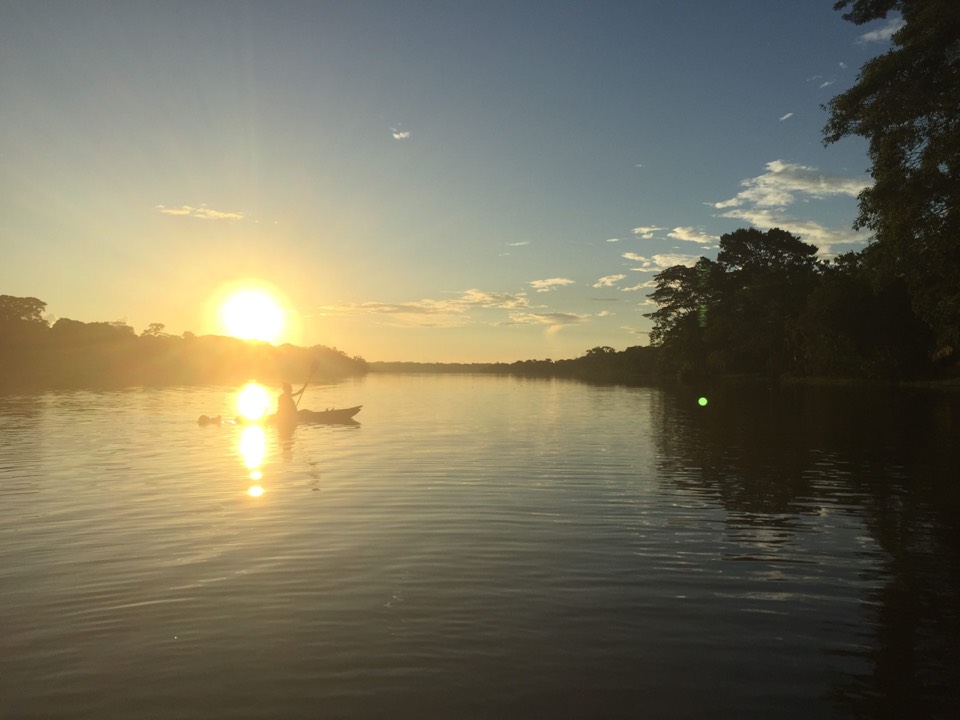
On Lake San José with a local guide: at sunrise to watch the birds, in the evening to look for caimans, or both.
Birdwatching
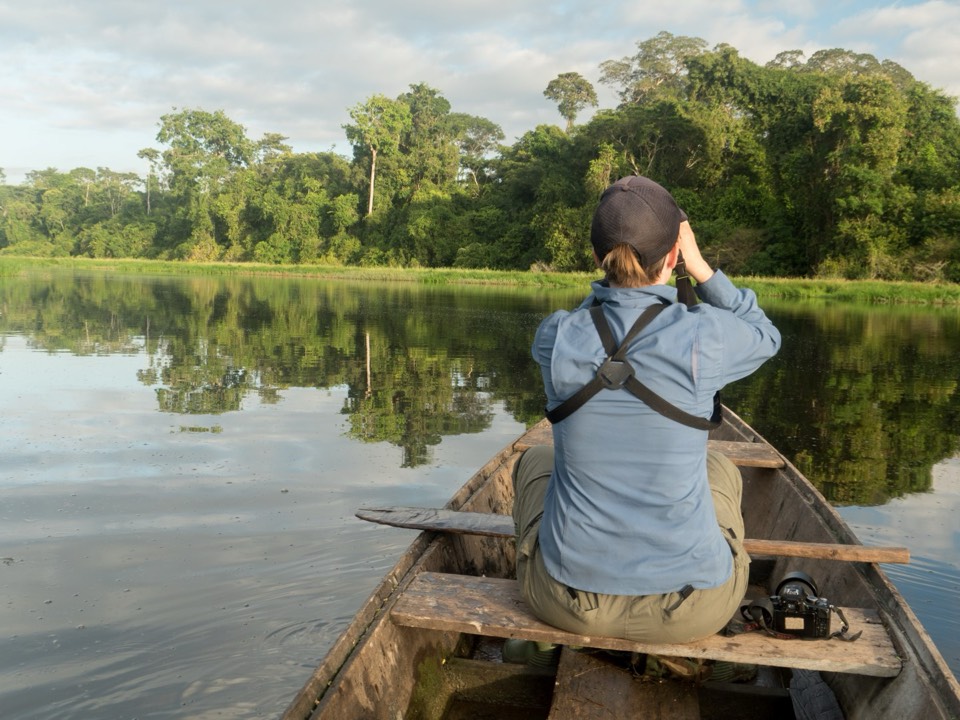
More than 330 species have been recorded here. The route was drawn up by the biologist Vincent Vos, and binoculars are included.
Sport fishing
On Lake San José, by boat, with people from the communities. Fishing with nets is banned. Bring your own gear or buy basic equipment in the reserve.
Meeting the communities
Small tours of the communities in the reserve, to meet the families, see how they live and work, and share a meal.
Camping
In the camping areas. Bring your own tent, or rent one for up to four people with sleeping bags, mosquito nets and sleeping mats.
Community-based tourism
Who runs it, and who it is for
The communities in the reserve decide which activities to offer, what they cost and how the tourism grows. It has created jobs for guides, and its income lets the women who sell food have their own kitchen, from which they sell straight to visitors.
Sustainable Bolivia helps launch it, with the organisation and the promotion, so that the communities can run it on their own.
- Food
- A small restaurant at the tourist office in the reserve, where cooks from the communities make rice, manioc, fish and fried banana.
- Getting there
By taxi or motorbike taxi from Riberalta, 20 km away.
- Rules
Seven simple ones, to leave as few traces as possible.