
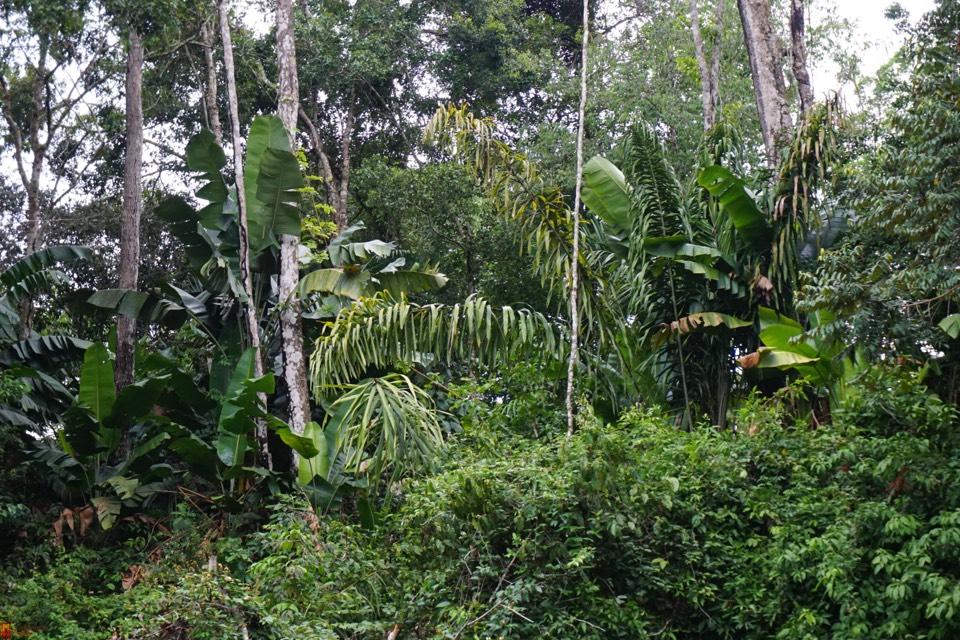
Aquicuana Reserve
Protecting the reserve
Sustainable Bolivia and the Fundación Amazonia work with the communities of the reserve to protect it from farming expansion, intensive cattle ranching, deforestation, mining and the over-extraction of its natural resources, while supporting the communities' own plans for better living and working conditions.
Threats
What puts the forest at risk
Deforestation
Riberalta is growing fast, and farming for profit, soya for example, clears forest. The long-term aim is to make the reserve larger and protect more rainforest.
Exploitation
More and more industries exploit the Amazon's resources. Bolivia still holds some of the least touched forest in the world.
Poaching
Birds such as the toco toucan, parakeets and parrots are taken for meat or sold as pets. Jaguars are hunted as a danger to cattle and for their skins, though the loss of forest threatens them most.
Unregulated tourism
More visitors, and hunters and fishers without rules, can drive wildlife away. Visitors are welcome, because reserve fees pay for its upkeep and protection, and the rules below keep their visit light.
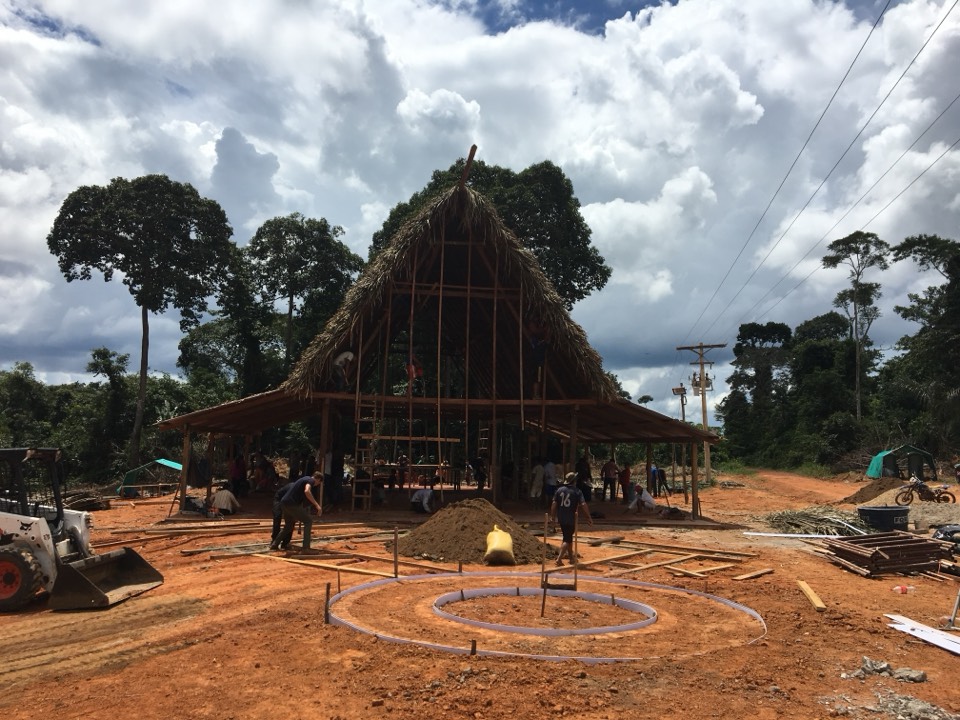
What is being done
Five kinds of work
A protected area. The reserve was expanded to its present size in 2016, and the communities of Warnes and San José have been part of it officially since 2018.
Research. Surveys of the reserve's species, among them the masked antpitta, which the International Union for Conservation of Nature (IUCN) classes as vulnerable.
Reforestation. A plan for land use that pays its way without logging or slash-and-burn farming, with native and fruit trees to plant, and research under way to identify the reserve's native tree species.
Rangers. The aim is to train people from the communities to patrol the reserve, control access and stop uncontrolled hunting and fishing.
Environmental education. Since 2018 an ecology club at the Warnes school has made compost and held clean-up days.
Charter of conduct
Seven rules for visitors
You are in a protected nature reserve. Please leave as few traces as you can.
- Stay on marked trails, and keep out of fields and pastures.
- Respect the animals and plants.
- Keep noise down for others: no music, shouting or engines.
- Do not move rocks, which shelter many creatures. Do not cut plants. Photos are welcome.
- Take all your rubbish away with you.
- Do not camp outside the camping areas, and never light a fire. Noise and light disturb animals at night.
- Support the local economy: small businesses, local purchases and local places to stay.